跳至主要内容

Can Dual Condensers Revolutionize Energy Efficiency in Modern Industrial Refrigeration

 In the quest for high performance and low energy consumption in modern industrial refrigeration, optimizing chiller efficiency is a critical focus. The application of dual condensers has emerged as an effective method to enhance chiller performance. So why do dual condensers stand out among various technical solutions?
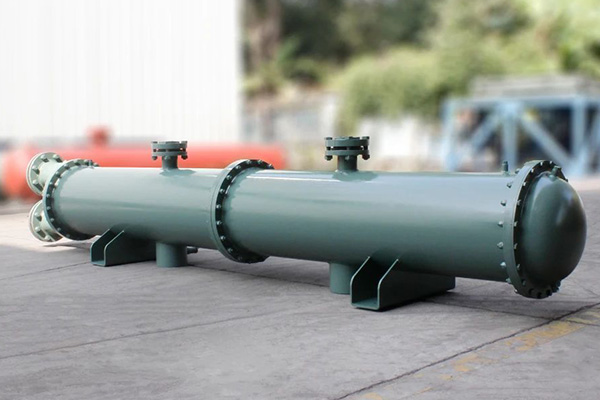
Dual Condensers

Enhanced Heat Dissipation:

Dual condensers significantly improve heat dissipation by increasing the number and area of condensers. With the same cooling water flow, dual condensers can transfer heat from the refrigerant more quickly, reducing condensation temperature and enhancing the refrigeration cycle's efficiency. This design is particularly suitable for high-temperature environments or areas with higher cooling water temperatures, ensuring stable chiller operation under adverse conditions.

Increased Flexibility and Reliability:


The parallel operation mode of dual condensers provides greater flexibility and reliability for chillers. The number of operating condensers can be adjusted to match actual cooling needs, preventing energy waste from overcooling. Additionally, if one condenser fails, the other can still maintain minimum operational requirements, ensuring continuous production.

Ease of Maintenance and Cleaning:


Maintenance and cleaning of dual condensers are relatively easier. The increased number of condensers reduces the load on each, extending equipment lifespan and lowering the risk of overheating-related failures. Regular cleaning and maintenance are also more convenient, as individual condensers can be shut down alternately without affecting overall cooling performance.


Dual condensers, with their efficient heat dissipation, flexible operation, and reliable performance, are crucial for improving chiller efficiency. In the context of energy conservation, emission reduction, and cost control, choosing chillers with dual condensers is a wise decision for companies aiming for green production and sustainable development.

About H.Stars Group:

H.Stars Group,30 years Hongkong brand factory, manufactures a wide range of HVAC equipment: air-cooled chillers, water-cooled chillers, high-temperature heat pumps, AHU, and shell and tube heat exchangers supplying to worldwide 53+ countries. With H.Stars Hongkong brand recognition and 8 subsidiaries industrial chain, H.Stars Group has supplied HVAC products to 500 Fortune companies.
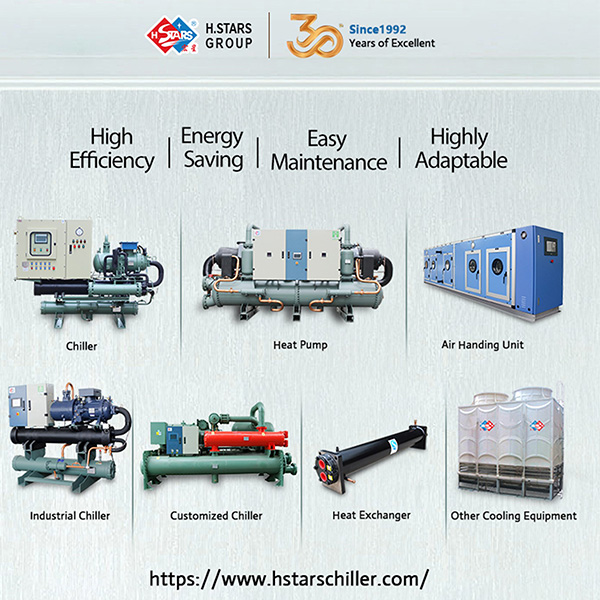
H.Stars Group HVAC equipment


评论

此博客中的热门博文

Avoid Downtime, Cut Costs: Smart Maintenance for Smarter Chillers

  Screw water-cooled chillers   typically operate around 3,000 hours per year, depending on China's climate and geographical conditions. Regular and scientific maintenance is crucial to ensure long-term, reliable operation, extend the lifespan, and reduce operating costs. Maintenance and Upkeep Preventive maintenance during operation and inspection involves creating annual and monthly maintenance plans based on actual operating conditions. Shutdown Procedures In winter, clean and dry the unit. Open the drain valve to empty the  shell-and-tube heat exchanger  to avoid freezing. The shutdown sequence is: chiller off - cooling tower fan off - cooling water pump off - chilled water pump off. Special attention to anti-freezing: 1. Drain the evaporator and condenser if the unit is outdoors below 0°C during standby. 2. Interlock the water flow switch with the unit to prevent freezing when the chilled water flow switch malfunctions. 3. Ensure water in the evaporator is flowi...

What Are the Key Requirements for Flooded-Type Heat Exchangers in Air Suspension Chillers

  Air suspension chillers   are crucial in many industrial and commercial applications, and the flooded-type heat exchanger is one of the most important components of these systems. Understanding the requirements of the heat exchanger is essential to ensuring the air suspension units operate efficiently and remain stable. A flooded-type heat exchanger works by transferring heat between two fluids with different temperatures. In air suspension chillers, it helps regulate temperature, optimize energy use, and improve overall performance. For instance, it can transfer heat from high-temperature gases to low-temperature liquids, or vice versa. 1. Material Requirements 1.1 Corrosion Resistance In many industrial environments, fluids can be corrosive. For example, they may come into contact with acidic or alkaline substances. To withstand these conditions, the heat exchanger’s tubes and casing need to be made from corrosion-resistant materials, such as stainless steel. Stainless ste...

Hotels Go Green: Heat Recovery Chillers Cut Costs and Carbon Footprints

  In the operation of hotels, energy costs are a significant factor that cannot be overlooked. The advent of   heat recovery chillers   offers an efficient and energy-saving solution for hotels. ​ A heat recovery chiller, in simple terms, not only performs cooling tasks but also effectively recovers heat. For hotels, this is a highly practical feature. Traditional chillers only accomplish cooling, wasting the heat generated. However, heat recovery chillers are different; they can convert the otherwise wasted heat into usable hot water. In principle, during the cooling cycle of a chiller, the refrigerant releases heat. Heat recovery chillers use special devices to collect this heat, and through a series of heat exchange processes, they can produce hot water. This hot water can be used in various scenarios within the hotel. For example, it can supply water for guest rooms' washing and brushing, provide hot water for the hotel's restaurant kitchen, and even be used for heati...