Industrial chillers consume a lot of energy, especially in hot weather, and they have to work harder to maintain the desired temperature. In order to achieve the purpose of energy saving, users of various industrial chillers in the enterprise can combine their own actual operating environment to choose a suitable energy-saving solution for industrial chillers to improve the overall operating efficiency. Help enterprises complete all production processes with higher capital. Here are some ways to reduce your industrial chiller’s energy consumption during hot weather:
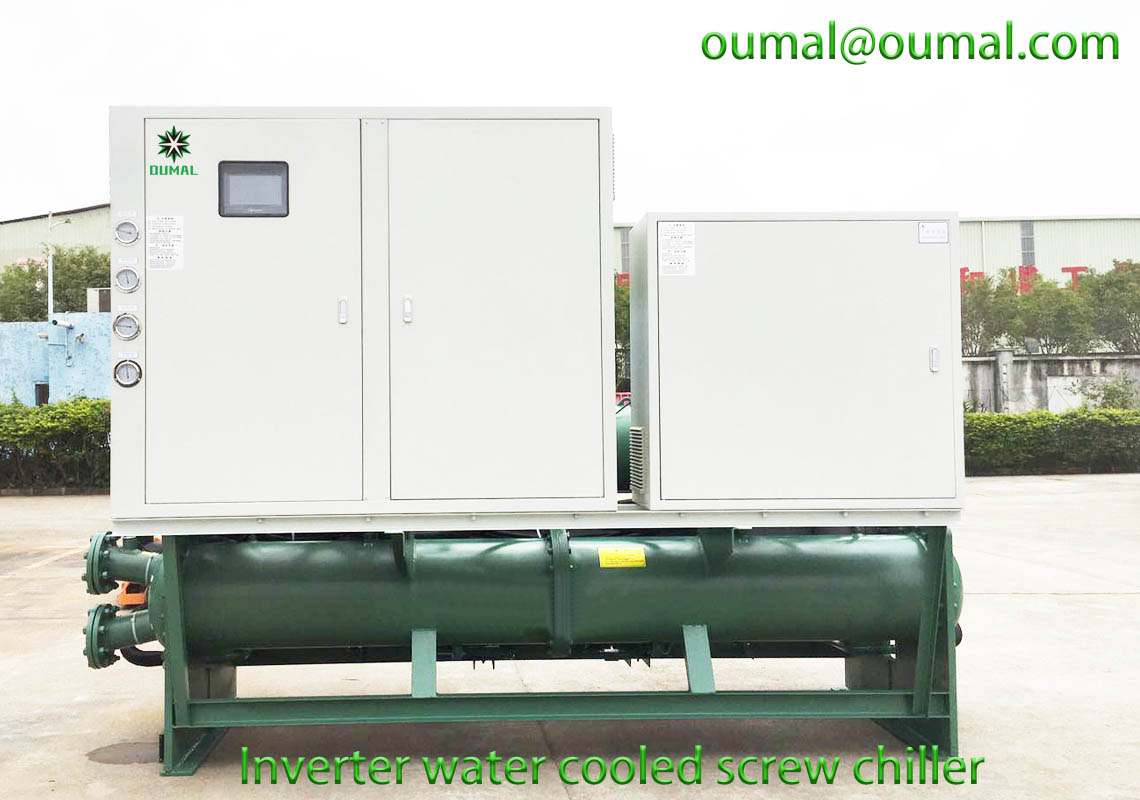
Optimizing Chiller Operating Conditions: Make sure your chiller is running at peak performance by regularly checking set points, temperature differentials, and water flow. Also, make sure the chiller is serviced and maintained regularly to avoid any inefficiencies.
Install a Variable Speed Drive (VSD): A VSD can be installed on the chiller's compressor to ensure the chiller is only running at its required capacity. This helps to significantly reduce energy consumption, since the chiller does not have to work at full capacity all the time. Equipped with a frequency conversion processing device, the high-quality frequency conversion device can achieve the effect of adjusting the speed of the compressor. If the low-pressure refrigerant can increase the pressure when it passes through the compressor, the speed of the centrifuge will cause a large-scale increase. The higher the pressure, the greater the load capacity it can provide. Use the frequency conversion processing device to work at an appropriate frequency according to the specific use environment, which can reduce the energy consumption level.
Rationally increasing the temperature of the evaporator and effectively increasing the temperature of the evaporator can improve the overall working efficiency. It provides higher evaporation in a shorter time, ensures the rapid condensation effect of the condenser, and has a great effect on quickly reducing the ambient temperature.
Recirculate with an economizer: An economizer recycles outside air to cool the water in the chiller. This is a very effective way to reduce energy consumption in hot weather, especially if the outside air temperature is lower than the return water temperature.
Improve insulation: Make sure the chiller and its components are well insulated to prevent heat loss. This helps reduce energy consumption because the chiller doesn't have to work as hard to maintain the desired temperature. Reasonably reduce the temperature of the condenser and reduce the temperature range of the condenser to adjust the entire low temperature to a lower level. The lower the temperature of the condenser, the faster the ambient temperature will drop, thus increasing the working power of the whole device.
Implement a maintenance program: A regular maintenance program helps to spot any inefficiencies in the chiller system and resolve them in a timely manner. This helps reduce energy consumption and extend the life of the chiller. Of course, this kind of maintenance is purpose maintenance. For example, you can start with the system. Only by doing a good job of maintenance can the equipment be used better and the efficiency will be greatly improved.
Consider Alternative Cooling Solutions: Depending on the application, alternative cooling solutions such as evaporative cooling or geothermal cooling may be used. In some applications, they are more energy efficient than traditional chillers.
Overall, reducing energy consumption of industrial chillers during hot weather requires a combination of regular maintenance, optimizing operating conditions and considering alternative cooling solutions.
评论
发表评论