Recently, when communicating with some customers, we found that we were not very clear about the type selection and system design of low temperature units. However, the low temperature chiller is a very important equipment for chemical industry, raw material pharmaceutical factory and other enterprises, and it is also the place with the largest energy consumption for such enterprises. Therefore, how to select the appropriate number of industrial low temperature chiller and design a reasonable frozen water circulation system is particularly important.
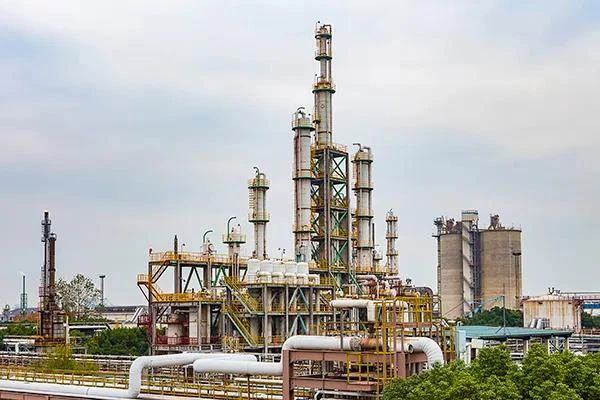
There is an example on H.Stars Group project reference.To us, the key points of glycol chiller design ,take the recent project of Anhui Xiangbang Chemical Co., Ltd. as an example, the total cooling capacity demand of the enterprise is 1500kW, and the outlet water temperature is required to be - 15 ℃. According to the experience, the following three points are sorted out for your reference:

1、 Selection of the number of refrigerating units
It is very important to select the type of low temperature chiller and design the system
Choose 3 industrial low temperature chiller , why choose multiple low-temperature refrigeration units more safe and reliable and energy-saving?
1. Affected by the production process arrangement and outdoor temperature, the actual cooling capacity required for production varies greatly, and the most used load in a year is about 70% according to experience;
2. If there is only one low-temperature chiller unit, there will be a big horse pulling the car, the corresponding water pump and cooling tower power is also large, resulting in high operating costs and high production costs;
3. If three units are selected, only two units can meet the requirements most of the time, and the operation cost is the lowest. In addition, one unit is automatically used as standby unit, so the system is very safe and reliable.
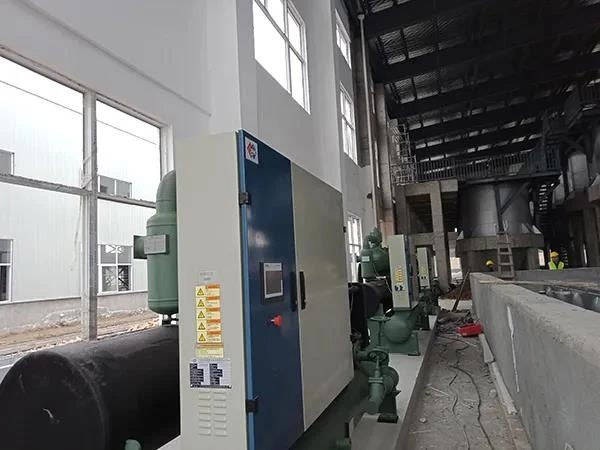
2、 Selection of low temperature water chiller
It's better to choose evaporative low-temperature chiller, because the energy efficiency of this kind of chiller is much higher than that of screw chiller, and it's very energy-saving.
1. In the case of the same evaporation temperature, reducing the refrigerant condensation temperature is the best way to improve the efficiency of the refrigeration unit, and the evaporative refrigeration unit is to send the refrigerant directly to the condenser for cooling, without the conduction of cooling water medium, the condensation temperature can be reduced by 4 ℃. The condensing temperature of conventional low temperature unit is 40 ℃, the condensing temperature of evaporative cooling unit is 36 ℃, and the energy saving is 12%.
2. Less cooling pump, 3% energy saving. Therefore, the evaporative low temperature unit can save 15% energy.
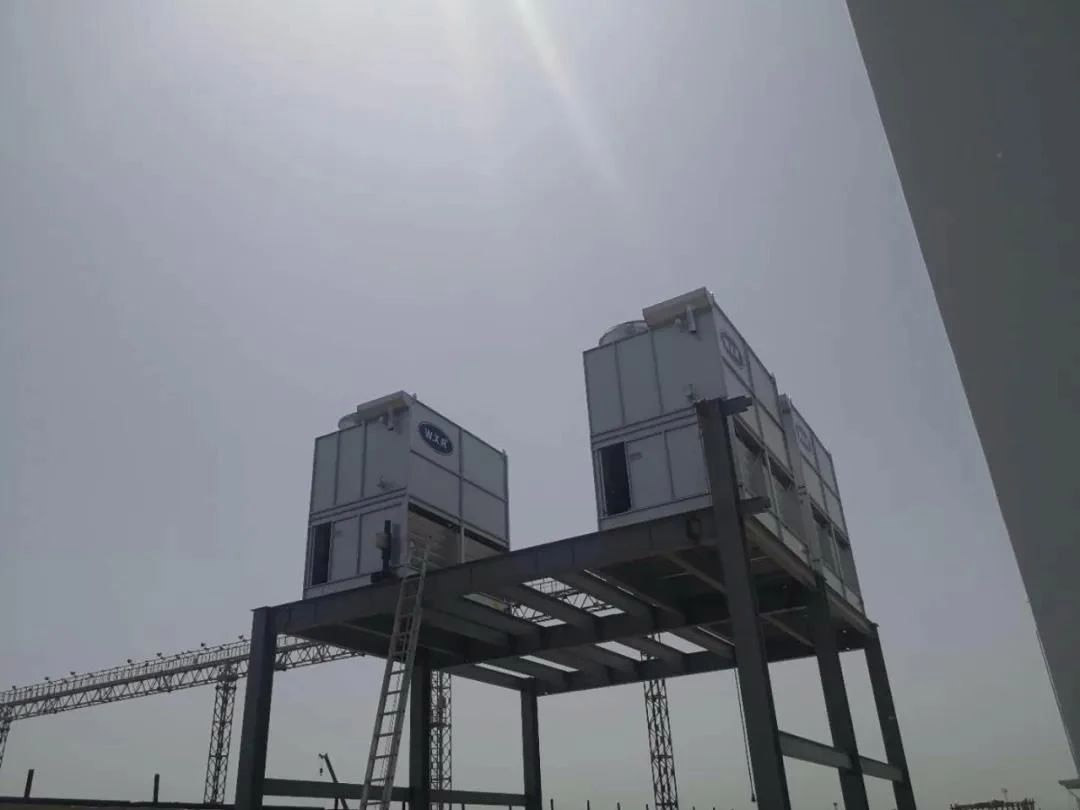
3、 Design of freezing water circulation system
The freezing water adopts a double circulation system, with a 30% flow storage tank, which is divided into high and low temperature zones. The chilled water internal circulation pump pumps water from the high temperature zone of the buffer pool to the chiller for refrigeration, and then returns to the low temperature zone of the buffer pool as the internal circulation system. The process water circulating pump pumps water from the low temperature zone of the buffer pool to the end reaction kettle to cool the production materials, and then returns to the high temperature zone of the buffer pool as the external circulation system. The external circulation pump is designed with frequency conversion control to save energy.For more project details, welcome to contact us at sales@hstars.com.cn
评论
发表评论